Why this Grammys performance mattered
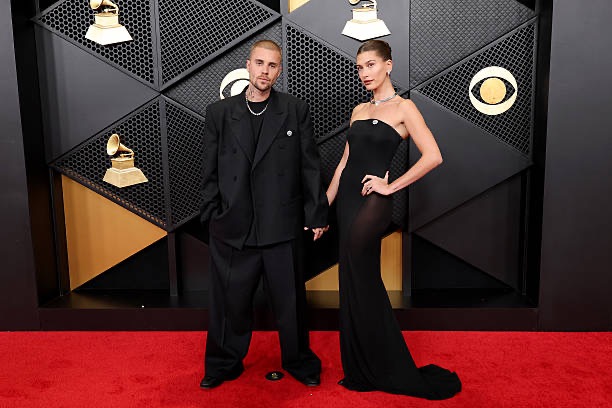
The 68th Grammy Awards marked the start of this year. It featured performances by artists like Sabrina Carpenter, with her airport setting, Katseye, with their iconic choreography for ‘Gnarly’, and, most importantly, Justin Bieber. Bieber’s performance was the highlight of the night for most – and honestly, it wasn’t even close. This is because before this, his most recent performance was making a surprise appearance to perform “Snooze” with SZA in May 2025. This 2026 performance was also his first Grammy performance in four years (since 2022), so it already felt like a “wait… he’s actually back on this stage” moment.
The recent performance of “Yukon” was an introduction to his new on-stage persona and his different style of performing. When we think of Justin Bieber performing, our minds mostly drift to his high-energy performances from the early 2010’s, however this performance really reinforced the grown-up pop star Bieber is trying to portray now. This is connected to his two new albums, “SWAG” and “SWAG II”, where he introduces ballads about his wife, Hailey Bieber. “Yukon” works for this rebrand as it’s intimate, stripped-back, and emotionally direct – it feels like a choice, not an accident. Through this performance, he also sets out the image for his future headlining performance at Coachella later this year, which, surprisingly, will be his first time ever solo performing at the festival.

Breaking down the “Yukon” performance
Breaking down the performance, it was essentially just Justin Bieber, in his underwear and socks, with a guitar, using a looper pedal and an Akai MPC Live III drum pad for a minimalist, self-produced live set. His performance created headlines, not only because of how amazing the performance was, but because… come on. THE Justin Bieber in underwear definitely got the world talking, creating instant shareability and meme fuel. Also, those boxers were tied to his fashion line (SKYLRK), turning the performance into a product moment without being overly promotional – like a flex, but subtle. And, as known from sources, this ‘outfit’ wasn’t planned, and Bieber only rehearsed 15 minutes for the performance. Despite these circumstances, “YUKON” jumped 98 spots to reach #87 on the global Spotify chart, with 1.654 million streams.
“Yukon” as the rebrand
The song performed, “YUKON”, is a symbolic song from his album that sets an emotional thesis statement for the era, as vulnerability, intimacy, and adulthood. This fits his latest public narrative as a laid-back, family man who is backing down from his past eras – less “popstar performance mode,” more “this is just me now.”
SWAG + SWAG II – the rollout strategy
After months of subtle studio/instrument posts and cryptic hints to keep fans primed without locking into a long traditional rollout, Bieber has finally released “SWAG”, four years after his album “Justice”. The album hit streaming platforms with minimal notice, forcing immediate attention and full-album sampling (which is exactly how music moves now). Two months later, “SWAG II” was announced on September 4 with a simple “midnight” message – again, a surprise-style drop.
Why this era feels different
Ultimately, the “Yukon” performance wasn’t just a Grammy moment – it was the clearest signal of what Justin is doing now. He’s not trying to recreate the 2010s popstar chaos; he’s leaning into something quieter and more intentional: intimacy, simplicity, and that “I don’t need to do the most” confidence. The underwear, the looper, the barely-any-rehearsal detail – it all turned into conversation, but the reason it worked is because the performance backed it up. And when you connect that to the surprise drops of SWAG and SWAG II, the strategy becomes obvious: create a moment that spreads fast, then let the music and the narrative do the rest. If this is the tone he’s setting for Coachella too, then this era isn’t about proving he can still be a superstar – it’s about showing he doesn’t have to try so hard to be one.

 The music marketer
Leave a comment